











Compare / MHP vs. Delivery Apps

MHP vs. delivery apps. The cost is the real story.

DoorDash for Business, Uber for Business, and Grubhub Corporate are credible programs for small teams and occasional perks. At recurring office-scale volume, the markup, the lobby chaos, and the unpredictability stop being worth it.

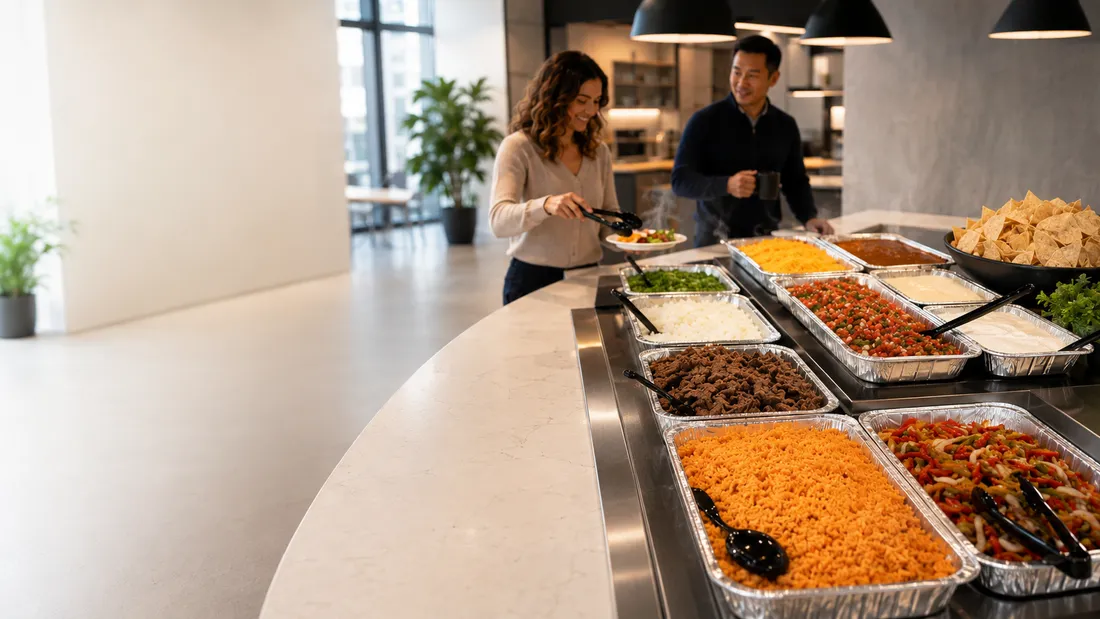
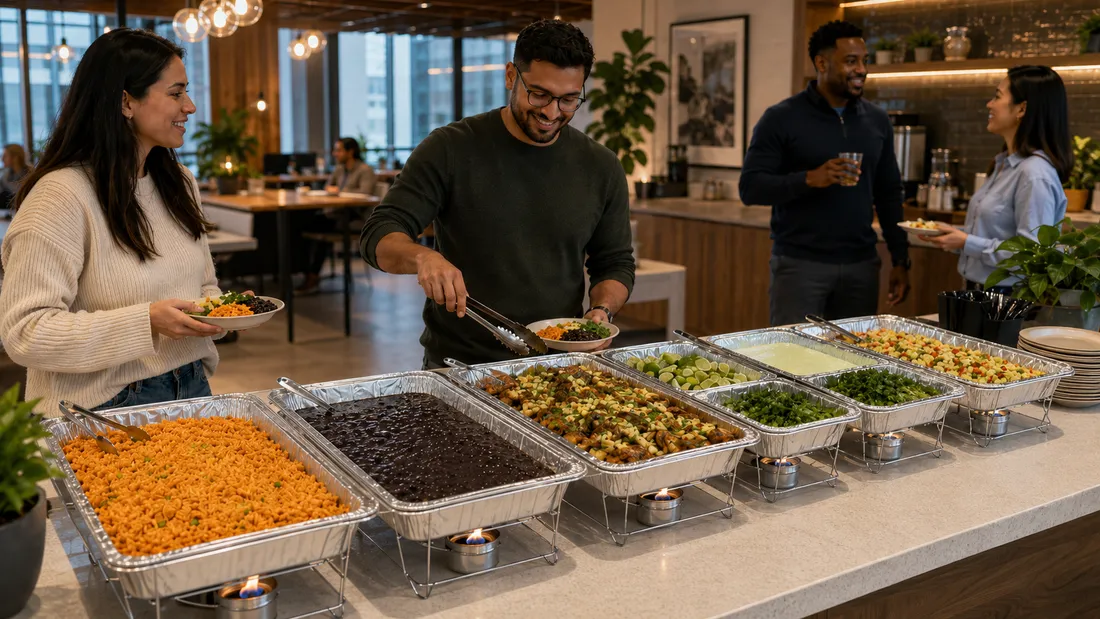
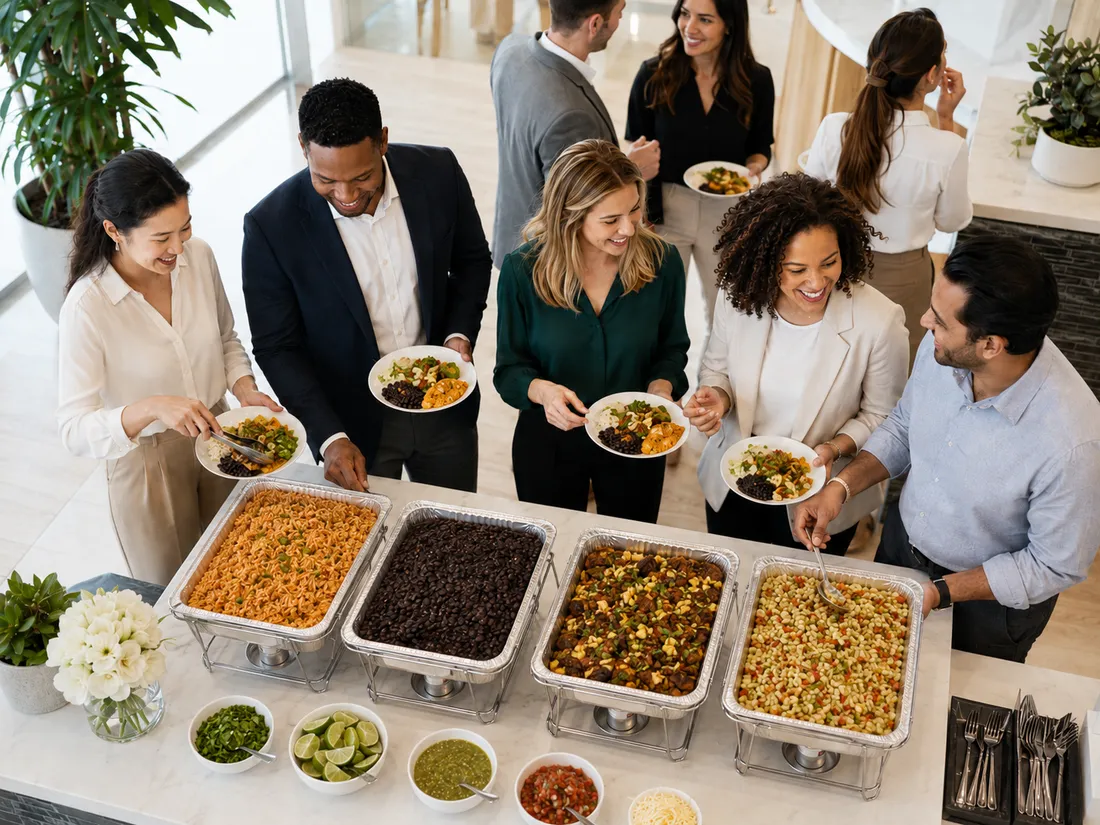
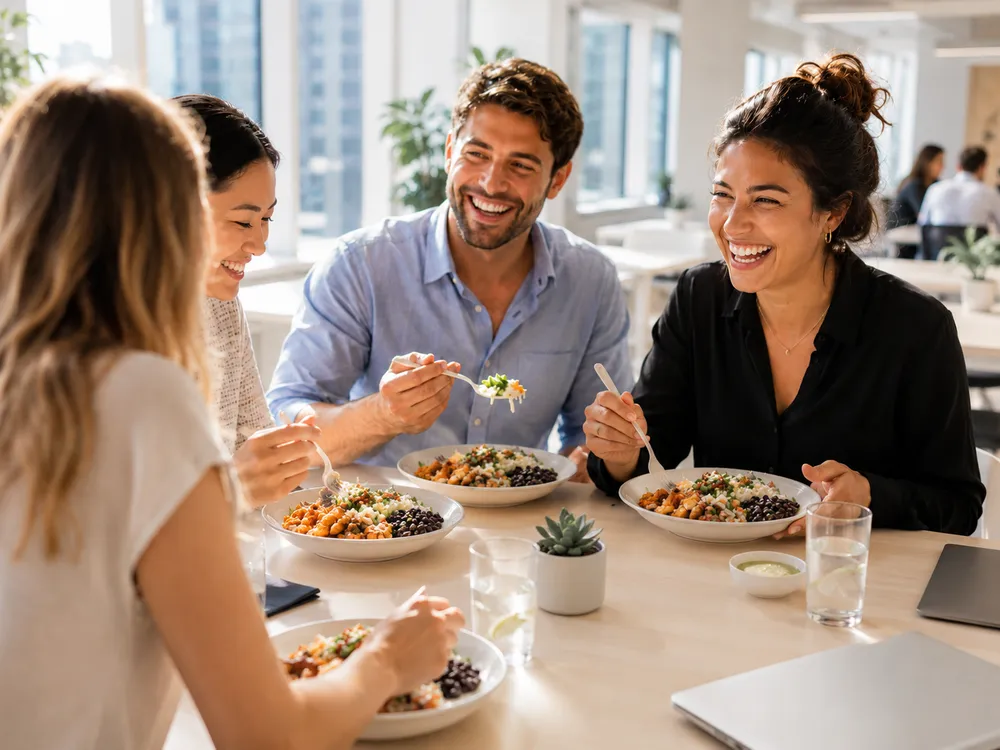
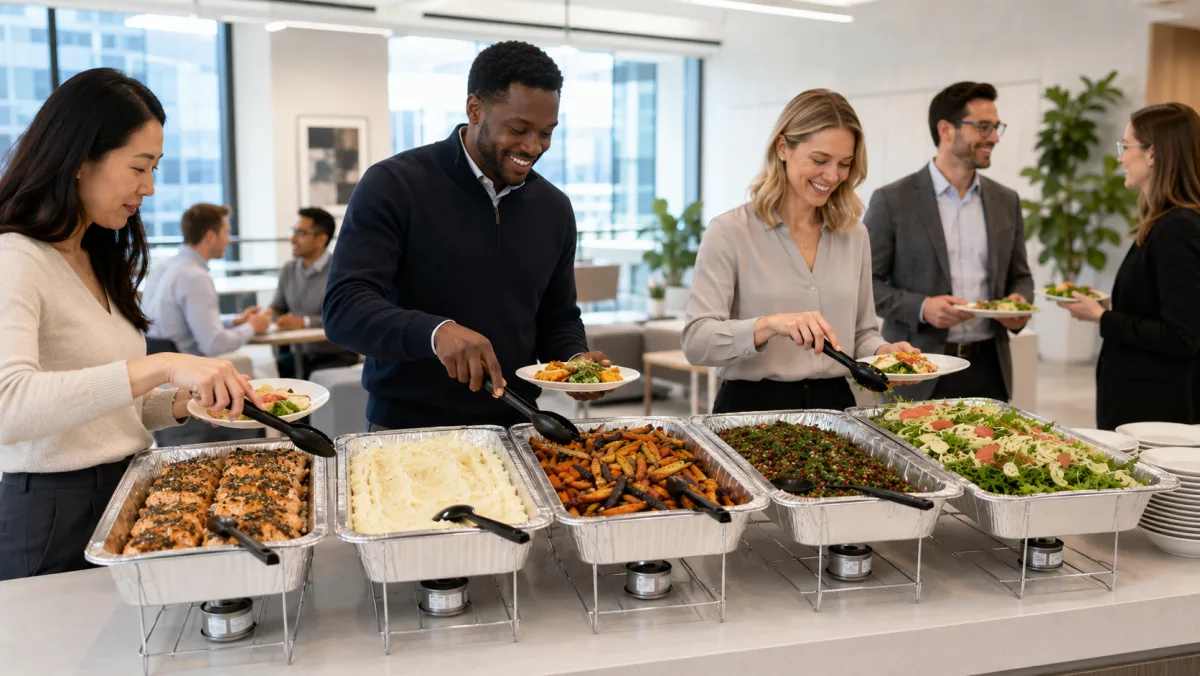
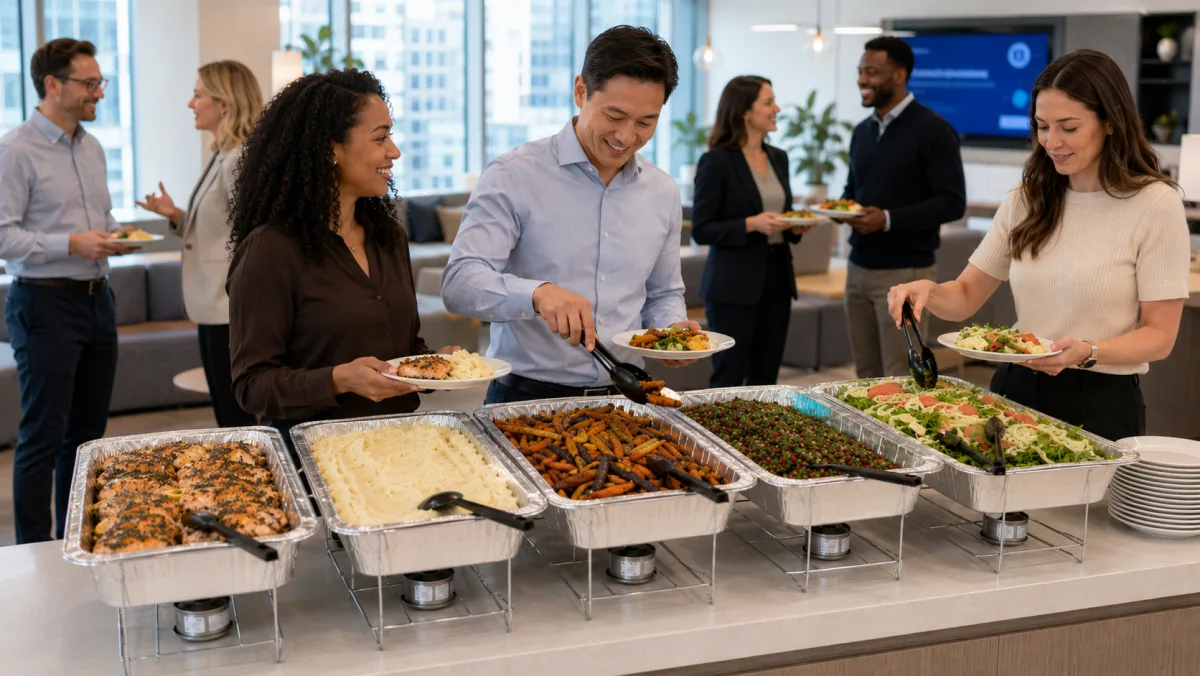
MHP recurring workplace catering vs. DoorDash, Uber, Grubhub delivery appsTeam self-serving from a single drop-off lunch instead of 80 individual delivery-app orders
Trusted by Southern California workplaces

The delivery-app math, in numbers

30-40%
Effective markup above menu price after delivery, service fees, and tips
Rezku 2026
55%
Of office workers skip lunch on busy days, even with credits available
StudyFinds / Talker
80+
Individual orders that can hit a 200-person lobby in one 30-minute lunch window
1
Drop, window, and invoice with a recurring catering program

The actual cost at office scale

For one-off use, delivery apps are cheap. At recurring scale, the math changes.

30–40% effective markup

Delivery fees, service fees, and tips push the effective cost of a delivered meal well above the menu price. For a 100-person office ordering three days a week, that markup compounds into thousands per month over recurring catering.

Half the orders late or wrong

When 50–80 individual orders land between 11:50 and 12:15, restaurants and drivers run out of capacity. Orders show up cold, wrong, or 25 minutes late. The lunch hour becomes everyone's HR ticket.

Lobby congestion

Multiple drivers, multiple bags, security check-in, employee names called out one at a time. The receptionist becomes the food runner, and meetings start late.

People skip lunch anyway

Roughly 55% of office workers skip lunch on busy days, even with delivery-app credits available. Individual ordering doesn't move that number — a present meal does.

Side by side

MHP recurring catering Delivery apps (DoorDash / Uber / Grubhub for Business)
ModelOne drop, one window, one menuIndividual orders from many restaurants
Best fit50–500 employees, 8+ service days/monthUnder 30 people, one-off needs
Effective per-meal costQuoted to your volume, no fee markup30–40% above menu price after fees
On-time deliveryOne delivery, one windowVariable per order, peak-hour congestion
Lobby impactOne driver, one stopMany drivers, many bags, security check-in for each
Multi-shift / 24/7Smart Fridge layer covers itUnreliable — restaurants close, drivers thin out at night
Internal workSet up once, runs itselfOngoing — credits, allowances, monthly cleanup
InvoicingOne monthly invoiceOne per order, plus admin fees, plus tips
Recurring workplace catering replaces 80 individual delivery app orders
When MHP fits better

When the team is 50+ on-site.

If your office is packing on anchor days with 50–500 people, individual delivery orders break down. The math, the lobby, and the on-time reliability all get worse at scale. A recurring catering program is built for the volume — one drop, one window, one invoice.

  • 50+ people on-site on the same days
  • Recurring need, not occasional
  • You want predictable monthly spend
  • You're tired of being the food triage desk
See the lunch program
Delivery apps work for small teams ordering occasionally
When delivery apps fit better

When the team is small or remote.

Under 30 people on-site, occasional ordering, or a distributed team where everyone picks their own meal — delivery-app business programs do that well. The markup is real but at small scale it doesn't compound, and the flexibility is the point.

  • Under 30 people on-site
  • Distributed or remote team with meal allowances
  • One-off or infrequent ordering
  • Individual choice is more important than consistency

Common questions

Why is the effective cost 30–40% higher? +
Delivery apps charge service fees, delivery fees, and small-order surcharges, then tip is added on top. A $12 menu item often lands at $16–$17 effective cost. At an individual employee level it's small; at 80 orders a day, three days a week, it compounds substantially.
Can we use delivery apps for multi-shift coverage? +
Marginally. Late-night and weekend availability is unreliable. A Smart Fridge program is structurally built for 24/7 — stocked in advance, available when restaurants are closed.
What about Hungry, Grubhub for Business, or Fooda? +
These sit between delivery apps and recurring programs. Hungry and Fooda do a rotating pop-up model — different restaurant on each day. Useful if variety is the priority and you have the headcount to support it. For a consistent menu and one operator, the recurring single-kitchen model fits better.
Do you also do one-off catering? +
For existing recurring program customers, yes. We don't take one-off-only catering bookings — that's not the operational model.
About this page

Written by the MHP Food Service team and reviewed by Christine, founder of MHP Food Service. Founded in 2015, MHP has been operating workplace food programs — daily catering, Smart Fridges, and weekly meal delivery — across Southern California ever since. AI is used to assist drafting; every page is reviewed and edited by a real person on our team before it ships.

Testimonials

Real teams, Real partners.

Real words from our partners we prepare for every week.

★★★★★
“Thank you for your assistance with this service! I continue to receive positive feedback every day about your services.”
Lt. Kristina CochranSanta Monica Police Department
★★★★★
“We're on our second agreement with MHP. The team adapts to our headcount changes, works with us on menu adjustments, and shows up consistently every week. One of the easier vendor relationships we've had.”
Diana De AlbaHuman Resources
★★★★★
“The fridge seems like a hit here! Everyone loves it and it's such a great option for staff to have a healthy meal on site.”
Spencer LovittFacilities Coordinator
Trusted by Southern California workplaces

Currently running on delivery apps?

Tell us your office size, anchor days, and current monthly food spend. We'll quote a recurring program and you'll see the math side by side.

Get a quote