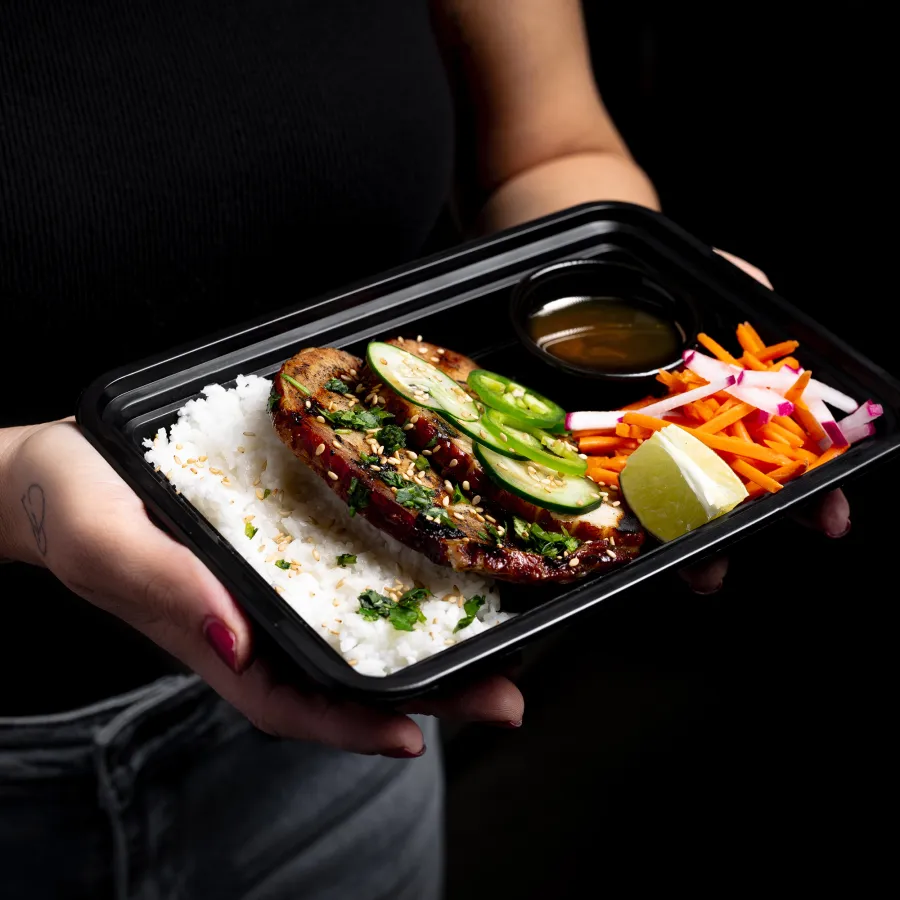
Christine, founder of MHP Food Service, cooking in the Rancho Cucamonga kitchen — single-operator alternative to national contractors
Compare / MHP vs. National Contractors

National contract or local operator. Different scale, different model.

Sodexo, Aramark, and Compass run multi-state workplace food contracts and full on-premise kitchen management. MHP runs one kitchen, one menu rotation, one region. Both are real businesses; they fit different sizes of need.

Get a local quote Read the breakdown
Trusted by Southern California workplaces
The decision underneath the decision

You are not really choosing a vendor.
You are choosing a scale.

National contractors are built for cafeteria-scale operations: full on-premise kitchen management, dedicated staff on your site, daily volume in the high hundreds or low thousands. Multi-year contracts amortize a large fixed setup. The math works at that scale.

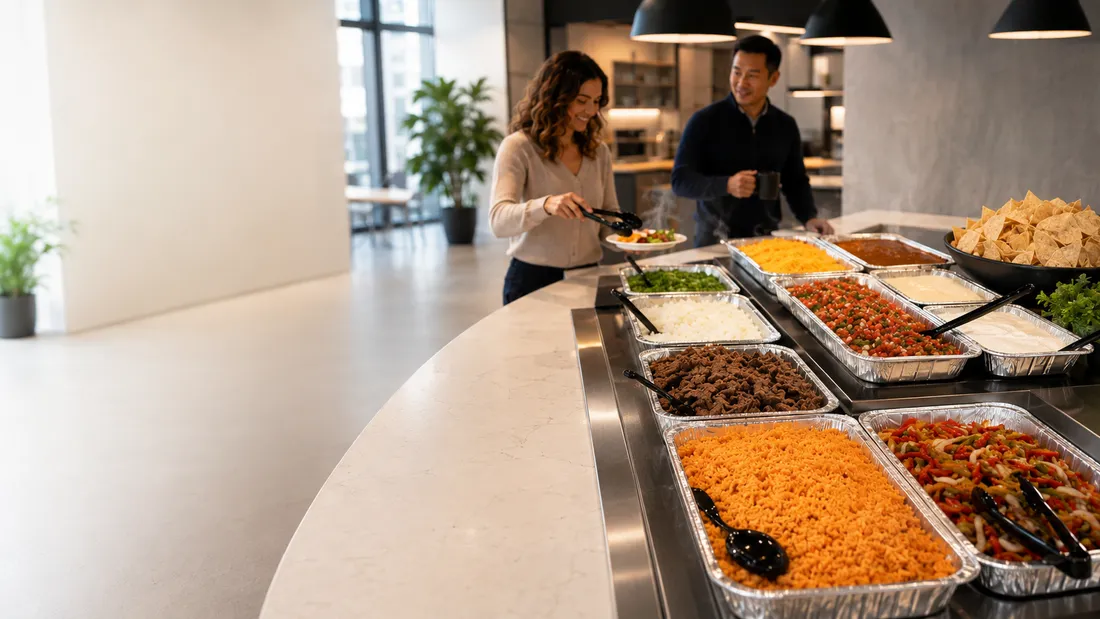
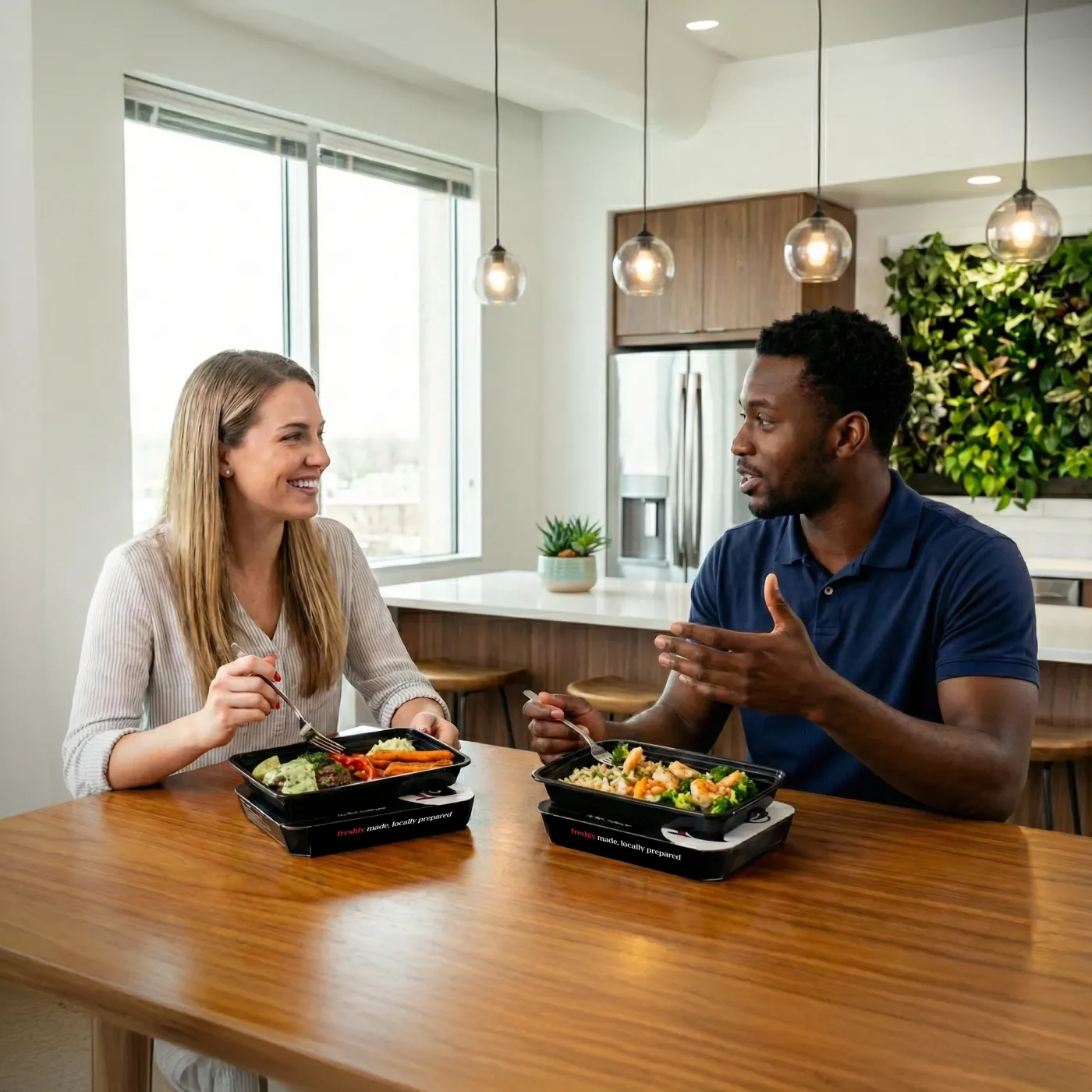
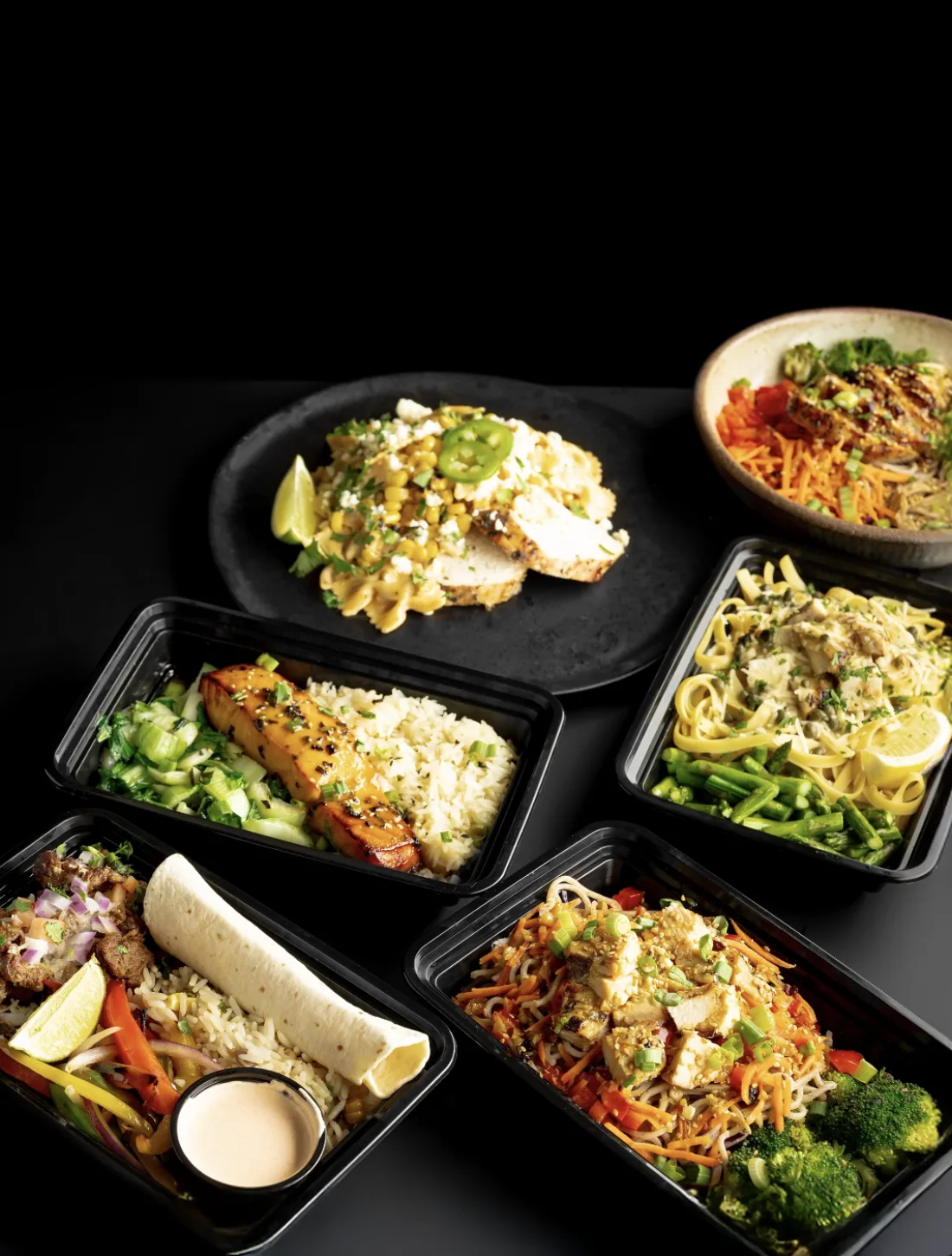
MHP is built for drop-off catering, Smart Fridge, and weekly meal-prep programs. Single kitchen, single region. Low setup, month-to-month, no on-premise kitchen team needed. The math works at mid-market scale.

If you are running a 1,500-cover-a-day cafeteria across multiple states, talk to a national contractor — that is what they are designed for. If you are feeding 50 to 1,000 people at a SoCal worksite on a recurring program, talk to us first. And if you are doing both, plenty of SoCal employers layer the two cleanly — one for the campus, one for the satellite. Worth a 15-minute call either way.

By the numbers

Where the cutover line sits.

Four numbers that tell you which model is even the right conversation.

1,000+
Daily covers above which the national contractor overhead amortizes cleanly.
3-5 yr
Typical national contract length, often with auto-renewal language.
2-5 wk
Time to first service with MHP. National rollouts run 3-6 months minimum.
0
On-premise kitchen staff you have to manage. We run from our kitchen.
What is actually different

Six places the two models diverge in practice.

Not abstract differences. Things that show up in the contract and on the floor.

No on-premise kitchen team to manage.

We cook in Rancho Cucamonga and drop off. National contractors put dedicated staff inside your building — cooks, dishwashers, a manager. Big presence, big overhead, big benefit at the right scale.

Month-to-month, not multi-year.

We work on month-to-month terms with a structured pilot to start. National contracts typically run 3 to 5 years with auto-renewal. Different risk shapes for different scales.

Direct line to the kitchen.

Menu tweaks, dietary requests, schedule changes — one phone call to the operator who cooks the food. National contractors route through account management; menu changes go through change-request workflows.

Local sourcing, single SoCal region.

We source local, cook local, drive local. Outside Southern California we cannot help. National contractors run multi-state supply chains and standardized menus — an advantage if you operate across the country.

Identical food-safety baseline.

California Retail Food Code, ServSafe, COI requirements — the same rules apply to every commercial operator in the state. National vs. local is a service-model and scale difference, not a safety-standard difference.

When something goes wrong, you call the kitchen.

A count short, a special request, an HR-level food-quality concern — same business day, same number, same operator who cooked the food. Big contractors layer regional managers; small problems sometimes ride that escalation slope.

"Thank you for your assistance with this service! I continue to receive positive feedback every day about your services."
Santa Monica Police Department
Lt. Kristina Cochran
Santa Monica Police Department
Pricing, in plain English

What this actually costs, in two scenarios.

Real example math, not a quote. Your worksite varies.

Large enterprise cafeteria, multi-state operations
Scenario one
Large enterprise cafeteria.
1,500 daily covers, multi-state.

A national contractor is designed for this. Full on-premise kitchen management, dedicated staff, 3-5 year contract amortizes the buildout. National sourcing, standardized menus, GPO contract compatibility.

If your operation actually looks like this, the national contract is the route. We are not the model for cafeteria management. But if you also have satellite offices, a night shift, or a SoCal-only employee benefit gap, those layers are worth a conversation — we slot in cleanly alongside.

200-person SoCal regional office on a recurring catering program
Scenario two
200-person SoCal office.
3 anchor days a week.

National contractor approach. The same overhead designed for 1,500-cover cafeterias gets thinned across 600 weekly covers. Per-meal cost reflects that. 3-year contract for a recurring catering need is a heavy commitment.

MHP approach. One quote sized to your headcount and cadence. No on-premise kitchen team, no multi-year commitment, 2-5 week ramp to first service. Month-to-month after a structured pilot.

This is the lane where the local-operator model is structurally cheaper and faster.

Same office. Same moment. Different model.

Tuesday at 11:50am.

You need to add a Friday lunch and a dietary lane for two new hires. Here is how each model handles the request.

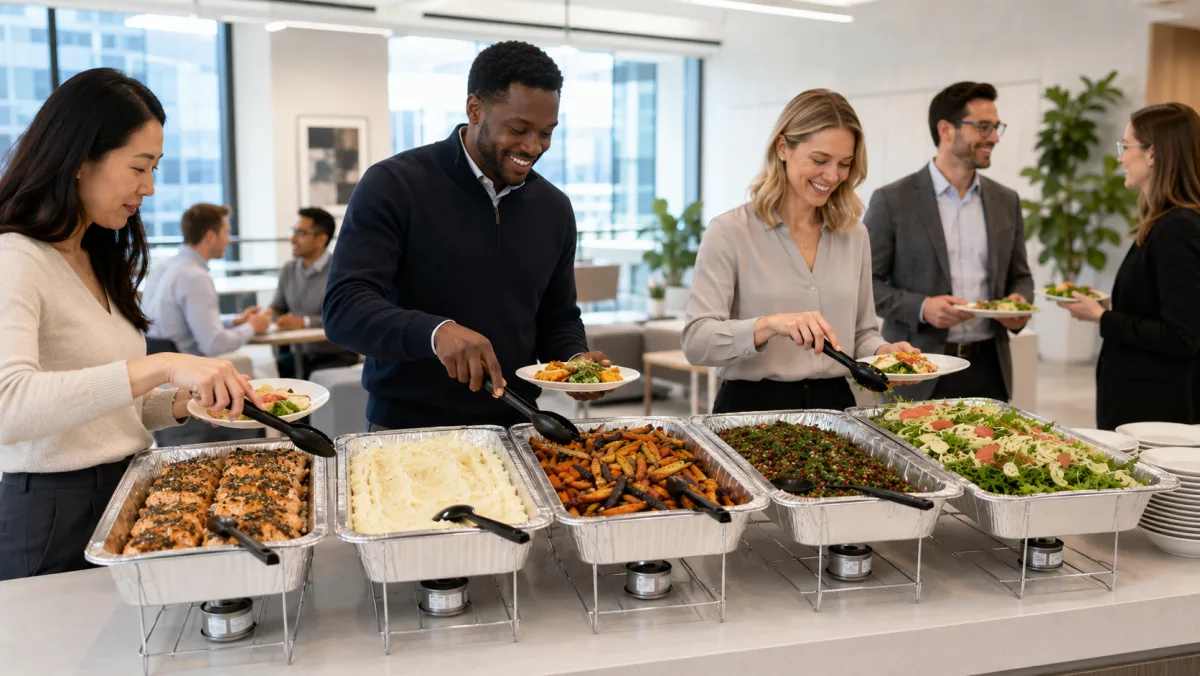
National contractor scope-change workflow at a workplace cafeteria
On a national contract

A change-request workflow, an account manager, a price adjustment.

You email the account manager. They open a change request. Operations reviews. Procurement signs off on the line-item adjustment. Two weeks later the Friday is live.

It works — this is what the contract structure is designed for. The workflow exists because the operation is big enough that it needs that workflow.

The dietary lane goes through nutrition services and gets added to the standardized menu spec.

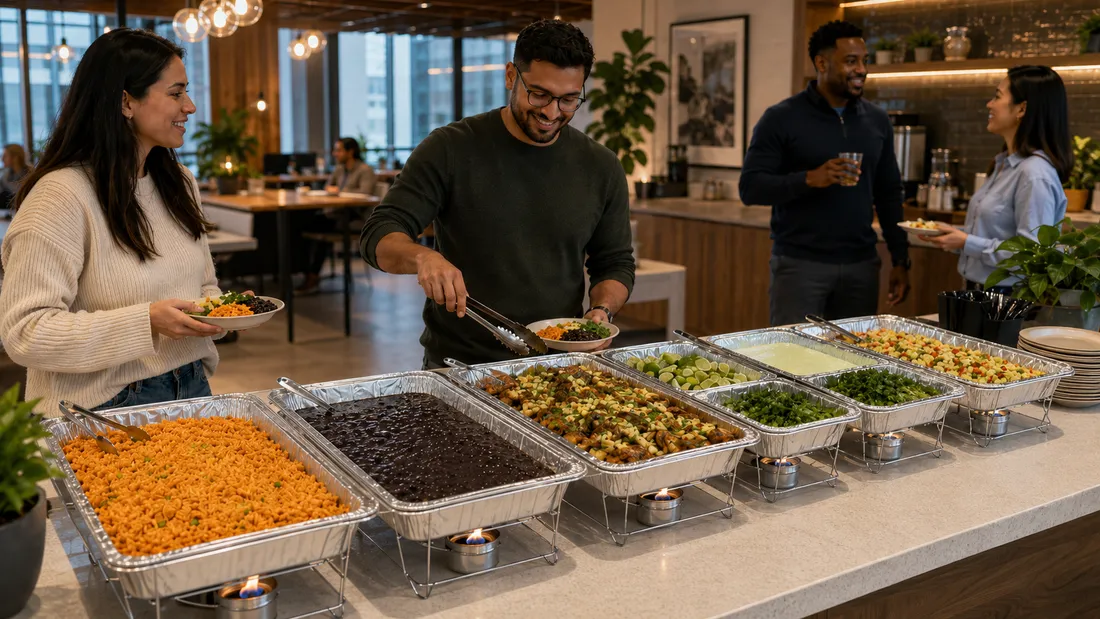
MHP local operator handles a menu change in one phone call
On MHP

One phone call. Friday goes live next week.

You call the kitchen. We confirm the headcount, slot the Friday into the rotation, and quote the cost the same day. The dietary lane is two specific menu swaps we already do for other sites.

No change request, no procurement workflow, no contract amendment. The kitchen knows your worksite; the operator is the same person you have been talking to since day one.

Friday goes live next week.

The same comparison, in a table.

For the procurement reviewer who wants to scan and decide.

MHP Food Service National contractors (Sodexo, Aramark, Compass)
ModelDrop-off, Smart Fridge, weekly meal-prepFull on-premise kitchen + staffing
Best fit50–1,000 employees per site, single region1,000+ daily covers, multi-state
Setup cost & lead timeLow / 2–5 weeks to first serviceHigh / 3–6 months to operate
Contract lengthMonth-to-month, structured pilot3–5 years with auto-renewal
On-premise staff requiredNone — we run from our kitchenYes — dedicated team on your site
Menu changesDirect conversation with the kitchenChange request through account management
Multi-region capabilitySoCal onlyNational and global
GPO / national contract compatibilityNoYes
Smart Fridge + weekly meal-prepYes (built-in)Not the model
Best atRecurring programs, mid-market, localCafeteria-scale, large enterprise, multi-site
Christine, founder, in the MHP kitchen — local operator alternative to national contractors
When MHP fits better

For the mid-market single-region employer.

If you have 50 to 1,000 employees in Southern California and you need recurring catering, a Smart Fridge program, or weekly meal-prep — MHP is built for that size of operation. Low setup, no on-premise kitchen team, month-to-month terms. Quoted to your worksite, not slotted into a multi-year contract.

50–1,000 employees per site. Single-region SoCal operations. Drop-off, Smart Fridge, or weekly meal-prep. Short-term commitments while you evaluate. The lane the local operator was built for.

Why local matters
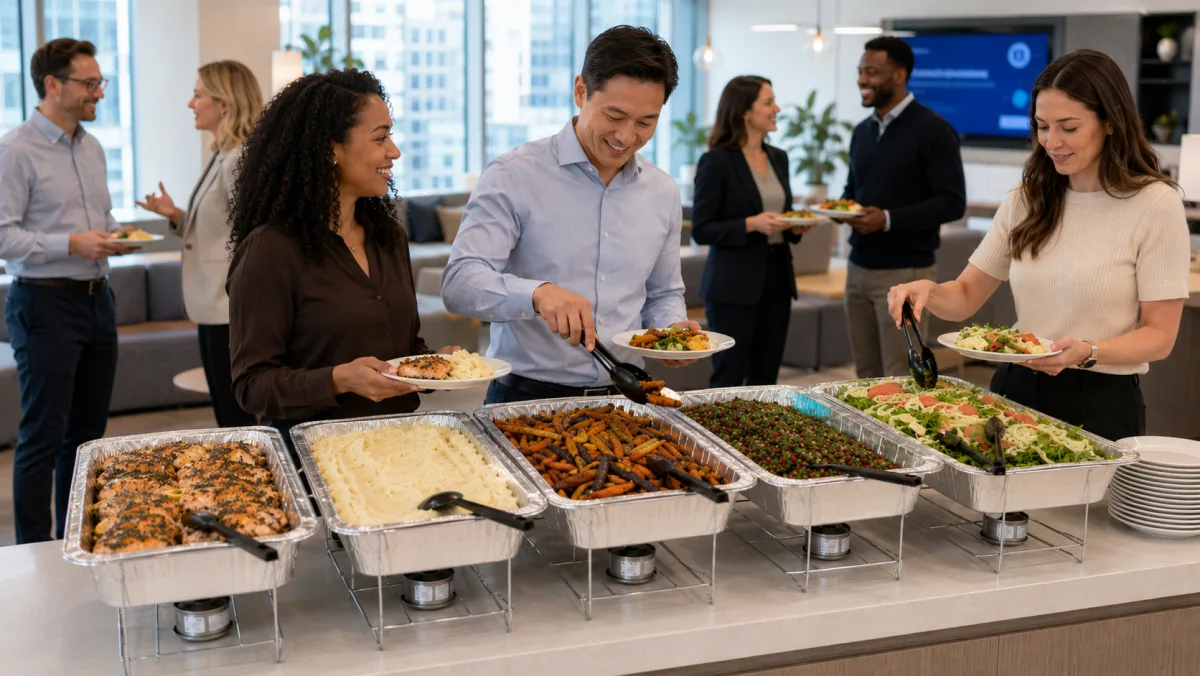
Large enterprise workplace where a national contractor model fits
When a national contractor fits better

For the large-enterprise cafeteria.

If you are running a full on-premise cafeteria, you are feeding 1,000+ daily covers, you operate across multiple states, or you have GPO contract requirements — Sodexo, Aramark, or Compass are built for that operation. The overhead, the multi-year contract, and the dedicated on-site team all make sense at that scale.

1,000+ daily covers per site, multi-state or multi-site operations, full on-premise kitchen management, GPO/national procurement requirements — that lane is theirs. If that is your situation, the national route is the right call. Still worth a 15-minute call with us if you also have satellite offices, a night shift, or a SoCal-only benefit gap — we layer cleanly alongside.

An honest moment

Where national contractors have a different model.

Comparison pages that only argue for the writer are not comparison pages. Here is where Sodexo, Aramark, or Compass are the better answer, no spin.

1

Full on-premise cafeteria management.

Dedicated chef, dedicated staff, dedicated dishwashers, on your site, every day. We do not staff your kitchen — we cook in ours and drop off. For a full cafeteria operation, that staffing model is the value the contractor brings.

2

Multi-state and global coverage.

We are Southern California only. Sodexo, Aramark, and Compass operate across the US and internationally. If your operation spans regions, the national footprint is the structural advantage.

3

GPO and national procurement contracts.

National contractors plug into Group Purchasing Organization frameworks and master national agreements. We do not. If your procurement requires GPO compliance, the contractor route is structurally necessary.

4

Facilities, vending, custodial bundled in.

The big contractors run integrated facilities-services packages — food plus vending plus custodial plus FM. If you need a single relationship managing all of it, that bundling is the contractor model. We are a food operator, not an FM partner.

Common questions.

Are Sodexo and Aramark cheaper than a local operator? +
At cafeteria scale (1,000+ daily covers, full kitchen management), the national contractor's overhead amortizes well. Below 500 daily covers, the same overhead becomes a meaningful share of the per-meal cost. For drop-off catering, Smart Fridge programs, or weekly meal-prep, the national contractor model is typically not the cheapest option.
When does a national contractor genuinely fit better? +
Multi-state employers feeding thousands across many locations, sites running full on-premise kitchens, and clients with national GPO contract requirements. The national contract model is built for that scale.
What is the contract length difference? +
National contracts are typically 3-5 years with auto-renewal. Local operators like MHP work month-to-month or on short pilot terms. The contract length difference reflects the underlying business model — high setup cost amortized over years vs. low setup cost paid back monthly.
Can we have both? +
Yes. Larger SoCal employers sometimes layer — a national contractor running the main campus cafeteria, plus a local operator running drop-off catering at satellite offices, a Smart Fridge for night shift, or weekly meal-prep as a benefit. The two models do different jobs.
How do we know which is the right call? +
Three questions. (1) Are you running a full cafeteria or doing drop-off? (2) One region or multi-state? (3) Do you need a 3-5 year commitment or month-to-month flexibility? National contracts answer "cafeteria, multi-state, multi-year." MHP answers "drop-off, SoCal, month-to-month." Different questions, different answers.

About this page

Written by the MHP Food Service team and reviewed by Christine, founder of MHP Food Service. Founded in 2015, MHP has been operating workplace food programs — daily catering, Smart Fridges, and weekly meal delivery — across Southern California ever since. AI is used to assist drafting; every page is reviewed and edited by a real person on our team before it ships.

Testimonials

Real teams, Real partners.

Real words from our partners we prepare for every week.

★★★★★
“Thank you for your assistance with this service! I continue to receive positive feedback every day about your services.”
Lt. Kristina CochranSanta Monica Police Department
★★★★★
“We're on our second agreement with MHP. The team adapts to our headcount changes, works with us on menu adjustments, and shows up consistently every week. One of the easier vendor relationships we've had.”
Diana De AlbaHuman Resources
★★★★★
“The fridge seems like a hit here! Everyone loves it and it's such a great option for staff to have a healthy meal on site.”
Spencer LovittFacilities Coordinator
Trusted by Southern California workplaces

SoCal employer with a local lane?

Whether your main contract is national or you are starting fresh, we will walk you through where the local-operator model fits cleanly — satellite offices, night shifts, employee benefit programs, or recurring catering. Worth a 15-minute call.

Get in touch