Wholesale
Fresh meals as a retail category for supplement and vitamin stores
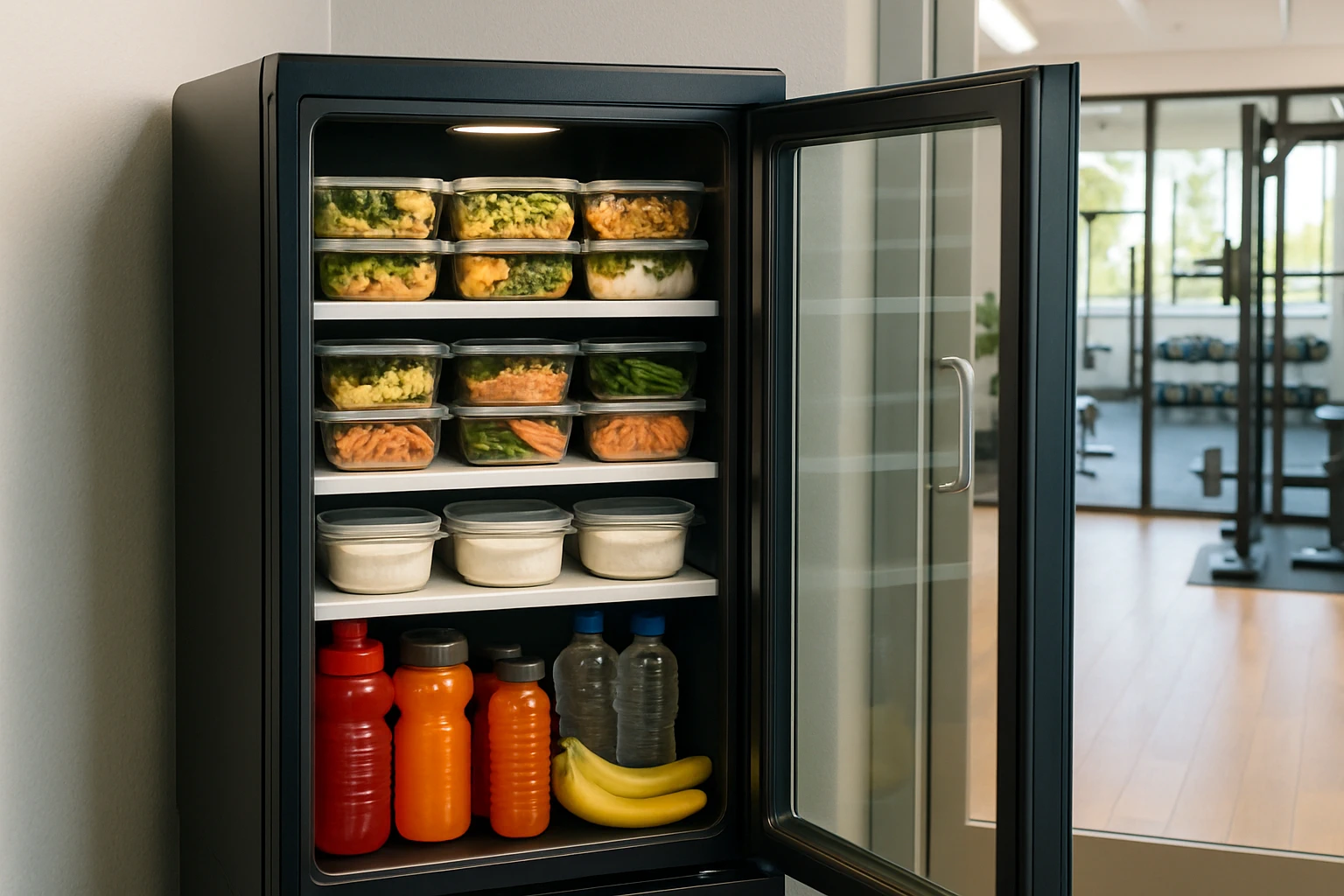
Supplement and vitamin retailers in Southern California are in the middle of a category expansion that started with sports nutrition powders, moved through bars and ready-to-drink shakes, and is now landing on fresh prepared meals. The customer profile is the same. The buying motivation is the same. The retail footprint is the same. The wholesale supply chain to support it is what is new. This guide is for the supplement retailer evaluating whether to add fresh prepared meals as a category.
The customer walking into a Vitamin Shoppe, Nutrishop, GNC, or any of the independent SoCal sports nutrition retailers is shopping with a specific physical or nutritional goal. They are buying protein powder to hit a daily protein target. They are buying pre-workout to fuel a training session. They are buying multivitamins to fill nutritional gaps. The common thread across the entire category is goal-directed nutrition.
That customer is already buying prepared meals somewhere. They are ordering from a meal-prep delivery service. They are buying frozen meals at a grocery store. They are paying for restaurant takeout that nominally fits their macros. They are eating less than they should because cooking is friction.
Capturing that meal spend in the same retail visit as the supplement spend is a category expansion that fits the customer's existing behavior. The customer who walks in to buy whey protein is the same customer who would walk out with a chicken-and-rice meal-prep container if it were on the shelf at a price competitive with their existing options.
A single tall refrigerated case in a supplement store occupies roughly 2 to 4 square feet of floor space and holds 60 to 120 meal SKUs at a time. The case runs on a standard 110V outlet and adds minimal heat to the store. Most supplement retailers can add this to an existing layout without structural modification.
At weekly turnover, the case generates retail revenue of $700 to $1,800 per week per store, depending on velocity and price point. The wholesale cost runs 50 to 55 percent of retail. Operating cost (electricity, restocking labor, code-date shrinkage) runs 8 to 12 percent. Gross margin lands at 33 to 42 percent before allocation of fixed retail overhead.
The harder-to-measure but larger economic story is the basket-lift effect. A customer who comes in for a weekly meal purchase enters the store more often than a customer who comes in once a month for a tub of protein. Visit frequency drives broader basket sales. The fresh meal category often pays for itself in meal margin alone, but the multiplier effect on the supplement basket is what makes the category meaningful.
The supply chain requirements for a supplement retailer adding fresh meals are similar to a smart fridge or micromarket operator, with a few specific differences.
The first difference is the customer demographic. The supplement customer cares about macros, protein content, and ingredient quality at a level the general workplace customer does not. The wholesale meal supplier has to publish macro information on every SKU, and the macros have to be calibrated for a fitness-focused customer. A 350-calorie meal with 20 grams of protein is not interesting to a sports nutrition buyer. A 550-calorie meal with 45 grams of protein is.
The second difference is the menu rotation cadence. The supplement customer is a frequent customer. A 4-week rotation is the minimum. Most successful retail programs rotate a portion of the menu weekly to keep the regular customer interested.
The third difference is the labeling. The supplement customer reads labels. The wholesale supplier has to print complete macros (calories, protein, carbohydrates, fat, fiber, sodium), full ingredient list, and allergen declarations on every container in a layout the customer can scan in five seconds at the case.
A wholesale supplier serving supplement retailers has to treat the customer demographic as a specific design constraint. A supplier that does not understand the fitness-focused customer will deliver meals that do not move.
MHP cooks every meal in our Rancho Cucamonga kitchen and can deliver wholesale meals to supplement and sports nutrition retailers across SoCal. The format is engineered for the supplement retail customer: individually packaged, code-dated, fully macro-labeled, with a menu rotation calibrated for a frequent customer.
The macro labeling on every container includes calories, protein grams, carbohydrate grams, fat grams, fiber, and sodium. The protein content is calibrated for a fitness-focused customer, with most meals delivering 35 to 50 grams of protein per serving. The menu includes options for cutting goals (lower-calorie, higher-protein), bulking goals (higher-calorie, balanced macros), and maintenance.
The menu rotates with weekly new entries layered on a 4-week base rotation, so the customer shopping the case every week sees new options without losing the favorites. The labeling layout is consistent and macro-forward, so the customer can read calories and protein in one glance.
The lightest implementation for a supplement retailer is a single refrigerated case stocked weekly by the wholesale supplier. The retailer staff handles point-of-sale, code-date pulling, and basic case maintenance. The wholesale supplier handles delivery, restocking, and menu rotation.
Larger retailers (small chain operators, multi-site independents) can add multiple cases or larger cases across multiple locations. The wholesale supplier delivers to multiple locations on a consolidated weekly route, and the retailer manages the cases the same way they manage their supplement inventory.
The labor lift on the retailer side is small. A weekly restock and code-date pull takes 30 to 45 minutes per case. Compared to the labor required for a foodservice operation, this is closer to managing a beverage cooler than running a kitchen.
Supplement retailers usually price fresh meals at 1.8 to 2.2 times the wholesale cost. A $7 wholesale meal lands at $13 to $15 retail. This price point is competitive with meal-prep delivery services, lower than restaurant takeout for comparable macros, and well above the price of frozen grocery meals (which the customer is buying for convenience, not enjoyment).
The customer who is already paying for meal-prep delivery is paying $12 to $18 per meal with delivery fees. The customer buying restaurant takeout is paying $14 to $25 per meal with delivery fees and tips. The retail meal in the supplement store, at $13 to $15, captures both of those customers at a fairer price point with no fees and no delivery wait.
The conversation with MHP for supplement and vitamin retailers starts with a short call about your store footprint, your customer demographic, your existing supplement category mix, and your goals for adding fresh meals. From there we discuss per-location minimums, send sample SKUs if helpful, and can have a delivery schedule running within a week or two of agreement.
Sports nutrition retail category trends are documented by the Council for Responsible Nutrition (CRN) and the Natural Products Association. Fresh meal-prep retail data and basket-lift studies in adjacent categories come from NielsenIQ retail panels and Circana category reports.
Wholesale meal cost runs $5.50 to $8.50 per unit in SoCal. Retail pricing in supplement stores usually lands $12 to $16 per meal, which is competitive with delivery apps and meal-prep services. Gross margin on meals is comparable to supplement gross margin once cold-chain costs are factored in, and the visit frequency lift on the broader basket is the bigger economic story.
Tell us your locations and the volume you move, and we’ll come back within one business day with wholesale terms for your route.