Employee Benefits
Feeding remote workers: how SoCal companies keep distributed teams connected
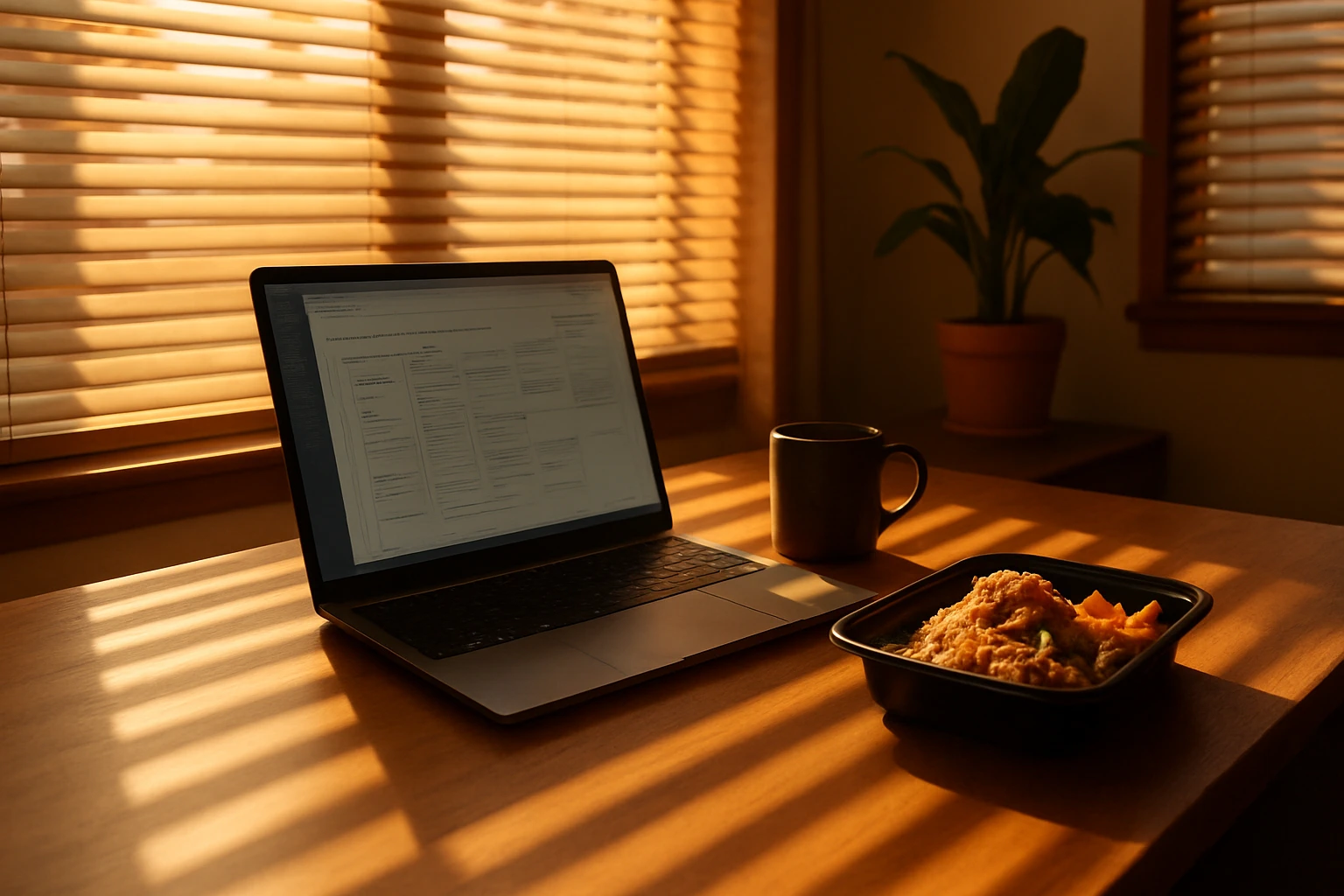
When Southern California companies sent large portions of their workforce home in 2020, the assumption was that remote work was temporary. Six years later, distributed teams are a permanent feature of the SoCal employment landscape, from tech firms in Irvine and Culver City to financial services offices in downtown Los Angeles and healthcare administration groups in Riverside. What many of those employers still have not figured out is how to feed the people who no longer come in.
A common scenario plays out across SoCal companies every week: the on-site team gathers around a hot buffet or grabs a fresh meal from a stocked smart fridge, while remote employees cobble together whatever is in their refrigerator or spend their lunch hour driving to a nearby restaurant. From a pure morale standpoint, that gap is corrosive. Remote employees notice it. They see the photos from team lunches posted on Slack. They hear on-site colleagues mention the new menu rotation. And they draw a conclusion, that the people in the office matter more.
This is not a perception problem you can solve with a carefully worded internal communication. It requires a structural fix: extending the food benefit to the people who are not physically present.
A remote employee meal delivery program works by sending fresh, chef-prepared meals directly to employees' home addresses on a regular schedule. MHP Food Service operates out of our Rancho Cucamonga kitchen and delivers across the Inland Empire, Los Angeles, Orange County, and the Temecula–Murrieta corridor, which means we can reach the home offices of most SoCal distributed teams without a logistics gap.
Deliveries are typically weekly. Each employee receives a set of portioned, labeled, chilled meals, balanced entrees built for a real lunch rather than a desk snack. There is no meal-kit assembly involved. Employees reheat and eat. The program is managed entirely by MHP, not by HR, which means there is no recurring internal administrative burden once the program is set up.
Many companies take the path of least resistance and issue a monthly meal stipend or add a delivery app credit to employee benefits. These are better than nothing, but they are not food benefits. They are cash benefits that employees may or may not spend on food. Stipend usage varies wildly. Some employees spend it on groceries, some on restaurants, some forget it exists entirely. There is no shared experience, no program identity, and no visible signal from the employer.
A structured weekly meal delivery does something a stipend cannot: it creates a moment. Employees know that on delivery day, real food arrives. That consistency builds a habit and, more importantly, a feeling, that the company thought about them and made an arrangement on their behalf. The distinction between "here is money, figure it out" and "we arranged this for you" is more meaningful than it sounds, particularly for remote workers who can feel structurally disconnected from their employer.
Southern California is one of the most geographically dispersed major metro areas in the country. An employer based in El Segundo might have remote employees in Temecula, the High Desert, Riverside, and Pasadena, a service radius that rules out many delivery options. MHP's kitchen-and-delivery model, anchored in Rancho Cucamonga with routes extending across SoCal, was built for exactly this geography. A company based in Irvine can cover both its on-site Irvine team and its remote employees in Murrieta and Riverside through a single vendor relationship with one weekly invoice.
This matters operationally. HR teams at companies with distributed workforces do not want to manage separate contracts for different populations. The more the on-site and remote programs can be unified under one vendor, the lower the administrative friction and the more coherent the benefit package feels to employees.
Remote workers face a distinct nutritional challenge. Without the structure of a commute and office environment, it is easy to graze through the day on whatever is accessible at home, which tends toward processed snacks, leftovers, and skipped meals. Research consistently links poor midday nutrition to reduced cognitive performance in the afternoon, and remote workers who eat poorly at home carry that cognitive cost into their work hours just as much as on-site employees do.
Fresh, balanced meals delivered to the home remove the decision fatigue and preparation burden that leads to poor eating. This is not a minor wellness footnote. It directly affects the quality of work output for knowledge workers who are paid for their focus and judgment. For companies in sectors like technology, healthcare administration, financial services, and professional services, the cognitive performance angle on food quality is a legitimate business case, not just a benefits talking point.
One of the consistent complaints from managers of distributed teams is the erosion of shared experience. Remote teams miss the informal moments, the lunch table conversation, the group celebration, the birthday cake in the break room, that build the relational fabric of a workplace. A shared food program is one of the few mechanisms available to recreate some version of that shared experience across geographic distance.
Some SoCal companies that have run remote meal programs report using delivery day as a touchpoint: a Friday "team lunch" where everyone eats a meal from the program simultaneously during a video call. The food creates an occasion, which creates a ritual, which creates a sense of belonging that a calendar invite alone cannot manufacture. This is particularly valuable for fully remote teams and for hybrid schedules where remote employees may only come on-site infrequently.
If your company has both on-site and remote employees, the most important design principle is parity of perceived value, not identical delivery formats. On-site employees receiving a daily hot buffet will receive food five days a week; remote employees receiving a weekly delivery might receive meals covering three to five lunches at home. The goal is that neither population feels the other is getting a substantially better deal.
The practical approach is to calculate approximate food cost per week per on-site employee and build the remote delivery program to match that value. MHP can help with that calculation during the scoping process, the numbers are generally closer than employers expect, because daily buffet programs carry serving overhead that weekly meal delivery does not.
Many SoCal companies are managing an ongoing tension between hybrid flexibility and the desire for more in-office time. Food benefits play into this conversation in ways that are worth considering carefully. An on-site food program is a real incentive for office attendance, a daily meal is a concrete reason to come in that money alone cannot replicate. But cutting off or deprioritizing the remote food benefit in order to make the office more attractive can backfire if it signals to remote employees that they are second-tier workers.
The most thoughtful approach is to run both programs simultaneously, maintain parity, and allow the quality of the in-person experience, including good food, to naturally increase the appeal of being on-site without punishing remote employees. Teams that feel respected regardless of where they work are more likely to choose office time voluntarily rather than reluctantly complying with mandates.
Setting up a remote meal delivery program typically takes two to three weeks from initial conversation to first delivery. MHP needs a headcount, a delivery coverage map (a list of home zip codes or approximate addresses is sufficient for scoping), and a preferred delivery day. From there we build a program structure and a weekly cost estimate for HR to review.
For companies that want to start with on-site and expand to remote delivery later, that transition is straightforward, the vendor relationship and the program management process are already in place, and adding a delivery component requires no new contracts or new vendor management. Contact MHP Food Service to start the conversation.
Research on remote work and nutritional habits: NIH, Dietary changes during COVID-19 remote work. Workplace food equity and hybrid benefits: SHRM Benefits research.
Remote employees still have to eat during the workday. Without an on-site cafeteria or lunch program, they bear the full cost and effort of feeding themselves. A meal delivery benefit signals that the company values their wellbeing regardless of location and that signal is meaningful for retention, especially in a hybrid environment where some colleagues receive on-site perks.
MHP prepares fresh, chef-portioned meals in our Rancho Cucamonga kitchen and delivers them to employees' home addresses on a set weekly schedule. Employees receive their meals chilled and ready to refrigerate. The program operates across the Inland Empire, Los Angeles, Orange County, and the Temecula corridor.
Yes, MHP's programs are designed to run in parallel. On-site teams can receive a daily buffet or smart fridge, while remote employees receive weekly meal deliveries. HR manages one program with one vendor and one invoice, which keeps the administrative overhead low.
MHP's remote meal deliveries include fresh, chef-prepared entrees, grain bowls, lean proteins, roasted vegetables, and balanced mains. Meals are portioned, labeled, and ready to reheat. Menu options rotate weekly and can accommodate common dietary preferences including high-protein, vegetarian, and gluten-aware options.
The most common approach is a weekly meal delivery program for remote employees that delivers comparable value to the on-site benefit. This prevents the resentment that builds when remote workers see colleagues receiving daily meals while they receive nothing. Contact MHP Food Service to build a program that covers both populations.
Tell us about your team and we will recommend the right program and a worksite-specific quote. No high-pressure sales.
Hot buffet lunches, a 24/7 smart fridge, or weekly meal drops — cooked in our Rancho Cucamonga kitchen and run as one simple program.