Employee Benefits
Food benefits for gyms and fitness brands: what staff actually want
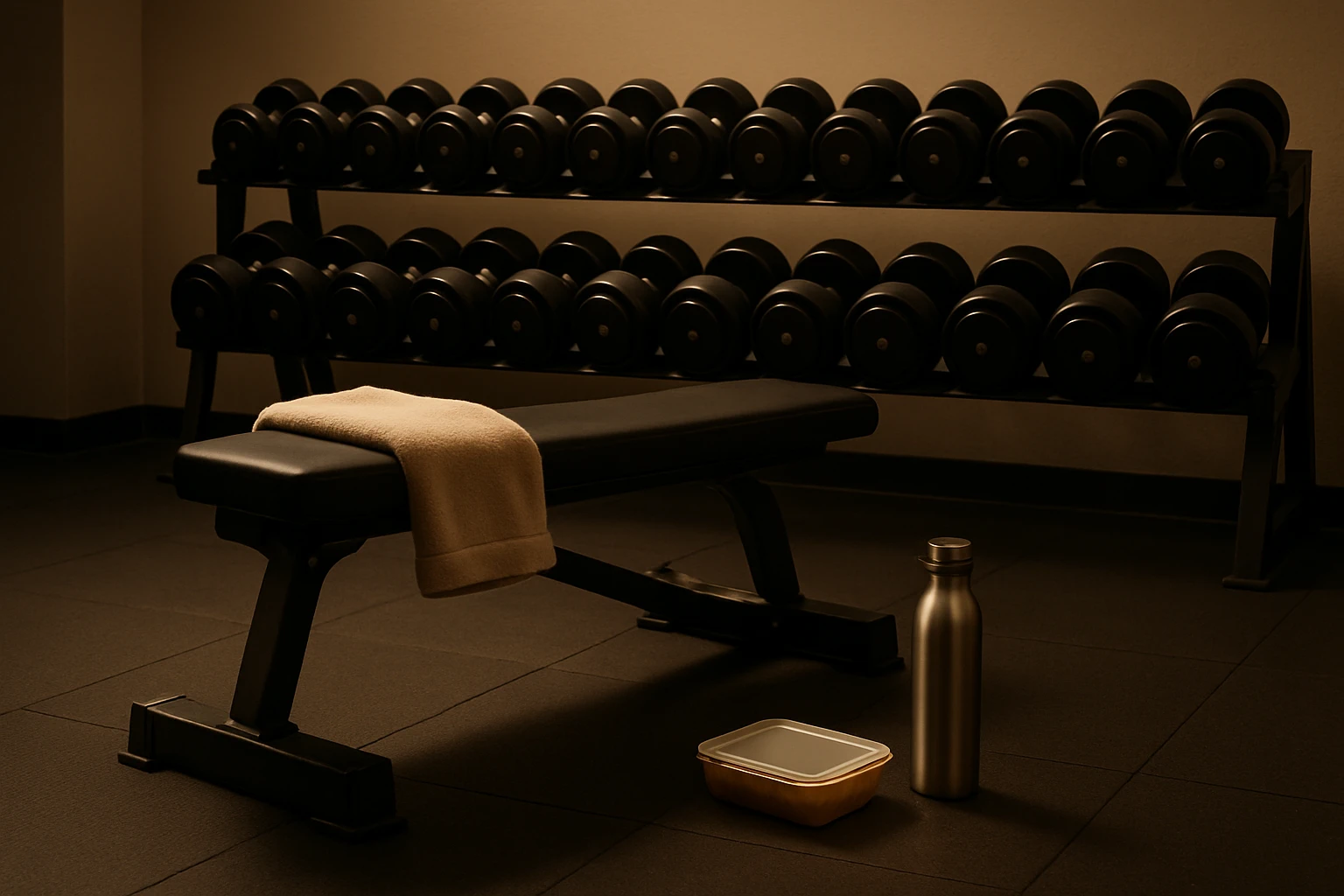
Walk into the staff break room at almost any gym or fitness studio in Southern California and you will find the same thing: a mini-fridge with questionable contents, a drawer of protein bars the brand gets wholesale, and a coffee maker that has seen better days. The people who work there are physically active, health-conscious, and often deeply invested in the mission of the place and they are being fed worse than the members they coach.
That gap matters, and not just for morale. SoCal fitness brands from Gold's Gym locations in the Inland Empire to boutique cycling studios in Orange County deal with persistent staff turnover that is quietly expensive and operationally exhausting. A genuine food benefit, fresh, prepared, nutritious, and daily, is one of the most culturally aligned and practically impactful things a fitness employer can add to the staff experience.
Personal trainers, group fitness instructors, front desk coordinators, and floor managers share a common set of work conditions: early morning start times, split schedules that bridge multiple shifts, physical and emotional labor across the entire day, and compensation that usually sits somewhere between $15 and $25 per hour depending on role and tenure. Benefits packages are minimal at most independent gyms and boutique studios. The margins in fitness are not generous, and that is reflected in what staff are offered beyond the paycheck.
The result is predictable. Staff who are energetic and committed in their first six months start to feel the wear of the job by month nine or twelve, not because the work itself changed, but because the daily experience of going to work does not feel reciprocal. They like the members, they like the culture, but they also have bills, and the gym down the street or the teaching job at a community rec center starts to look comparable or better. Turnover at the staff level in fitness is often 30–50% annually, and the cost of recruiting, training, and member-relationship rebuilding when a popular trainer leaves is real.
Most industries reach for a food benefit because it is practical and appreciated. Fitness employers have an additional layer: feeding staff well is a direct expression of what the brand stands for. A gym that tells members to eat clean and prioritize recovery while running a break room on vending machine chips and leftover promotional supplements is communicating something unintentional about its values.
When a fitness studio provides staff with fresh, chef-prepared meals, balanced macros, real ingredients, portioned correctly. It closes that gap. It is not just a perk; it is a demonstration that the brand's investment in health is not limited to the paying members. For staff who chose this industry because they genuinely care about nutrition and wellness, that alignment lands differently than a gift card or a branded hoodie. It says the employer actually lives what it sells.
The fitness industry is already well-supplied with protein products, supplement samples, and branded nutrition collateral. Staff do not need more of that. What they want is real food, the kind that requires a kitchen and an actual chef, not a supplement manufacturer. A bowl of grilled chicken, roasted vegetables, and quinoa made with care is worth more to a trainer coming off a 6am session than a tub of protein powder.
Split schedules create a specific challenge. A trainer who works 5am–10am and then again 4pm–8pm does not have a clean lunchtime. They need to eat something good during that midday gap, and if the gym does not provide it, they are pulling from the drive-through on the way home or eating nothing at all until dinner. A smart fridge stocked with fresh meals addresses this precisely. It does not require a serving window, it is accessible whenever staff have a break, and it works equally well for the early-morning crew and the evening shift managers.
A smart fridge is the right format for most gym and fitness studio back-of-house situations. The break room is typically small. Staff rotations are irregular. There is no dedicated kitchen or food service staff. A stocked fridge, restocked on a regular schedule with fresh, clearly labeled meals, requires no management overhead, no serving window, and no food safety complexity. Staff scan in, grab a meal, and get back to the floor.
For larger fitness brands with multiple locations across Anaheim, Riverside, or Fontana, a weekly meal delivery rotation can work well as an alternative or supplement, a delivery arrives at each location once or twice per week, fresh meals are portioned for the week's staff headcount, and the program runs on autopilot. The key is consistency: staff need to trust that the food will be there so they can stop planning around its absence.
The unit economics of turnover in fitness are underappreciated. When a trainer who has built a client base of 30 regulars leaves, several things happen simultaneously: some of those clients follow the trainer to wherever they go, the remaining clients feel a disruption to their routine, the gym bears the recruiting and onboarding cost of a replacement, and the replacement needs months to build comparable client relationships. A conservative estimate puts the cost of losing a solid trainer at $8,000–$15,000 when all of those factors are counted.
A food benefit, a smart fridge restocked weekly, might cost $250–$500 per month for a typical studio, depending on headcount and meal volume. At that price, preventing even one trainer departure every six months more than pays for the program. The math is not complicated. The question is whether the fitness employer is accounting for turnover costs clearly enough to see it.
Beyond the numbers, there is a simpler dynamic at work. Staff who feel taken care of, who arrive to work and find real food waiting for them, show up differently. They are more energetic in client interactions, less stressed during back-to-back sessions, and more likely to mention the benefit when talking to friends who are also in the industry. The recruiting effect is real: word travels fast in the fitness community, and "they actually feed us well" is a genuine differentiator on a job referral.
Consider a 2,000-square-foot cycling studio in Irvine with eight full-time staff and a roster of twelve part-time instructors. The owner is not running a large corporate operation, margins are tight, the schedule is complex, and adding an HR-heavy benefit program is not realistic. A weekly meal delivery from MHP Food Service gives this team portioned fresh meals for the week without any operational overhead: one delivery, meals in the break room fridge, no vendor management, no invoicing complexity. The total cost might be $180–$250 per week for the full-time staff. That is less than one month of social media advertising and it touches every employee every week.
For a larger multi-site brand, a regional gym chain with locations in Chino, Ontario, and Rancho Cucamonga, a smart fridge at each location is the cleaner solution. One fridge per facility, restocked on a consistent schedule, accessible to all staff regardless of shift. The program looks professional, it scales cleanly, and it signals that the brand invests in its people at every location, not just the flagship.
A food benefit does not exist in isolation. It works best when it is part of a visible, consistent commitment to staff wellbeing, when leadership mentions it during onboarding, when it is listed in job postings, when new hires discover it on their first day and understand it as a permanent feature of working there. The worst version is a food program that launches quietly, runs inconsistently, and gets cut at the first sign of budget pressure. That scenario actually damages trust more than having never offered it.
The best fitness employers in SoCal are treating staff experience the way they treat member experience: with intentionality, consistency, and genuine investment. A daily food benefit is one of the most tangible expressions of that commitment. It does not require a large budget. It does require showing up reliably, which is, not coincidentally, exactly what great fitness staff do for their clients every single day.
If you run a gym, a studio, or a fitness brand in Southern California and you are losing staff you cannot afford to lose, reach out to MHP Food Service. The conversation starts with your team size and shift structure, and we build the recommendation from there.
Fitness staff, trainers, front desk, floor coaches, work physically and emotionally demanding hours for wages that often sit near the lower end of the service sector. The hours are split across early mornings and evenings, benefits are limited, and advancement paths are narrow. Many staff members leave not because they dislike the work but because no one has made them feel invested in.
It is a starting point, but a free membership is table stakes at a gym, staff expect it. It does not address the daily lived experience of working a 5am–noon split shift and having nothing good to eat between clients. A meal benefit fills a real daily gap that a membership pass simply cannot.
A smart fridge in the staff break room is the most practical option for most fitness environments. It requires no serving window, accommodates split schedules, and keeps fresh meals available across early-morning, midday, and evening shifts. For larger multi-location brands, a weekly delivery rotation works well as a supplemental option.
Gyms and fitness studios sell the idea of caring for your body. Providing staff with quality, nutritious meals is a direct extension of that mission. It signals that the brand's values apply to the people who work there, not just the members who pay. That alignment is genuinely meaningful to staff who chose the fitness industry because they care about health.
A smart fridge placement or weekly meal delivery can typically be set up within a few weeks of an initial conversation. There is no kitchen build-out required, no additional HR administration, and no vendor complexity. Contact MHP Food Service to discuss your specific location and headcount.
Tell us about your team and we will recommend the right program and a worksite-specific quote. No high-pressure sales.